

Why Expats in Japan Need a Licensed Financial Advisor

Why It’s Essential to Work with a Licensed Financial Advisor in Japan
When choosing a financial advisor in Japan, licensing is not just a formality—it is a fundamental safeguard for your financial future. Argentum Wealth Management is fully licensed as an Investment Advisory Firm with the Japanese Financial Services Agency (FSA) and has maintained this license continuously since inception. We are also a member of the Japan Investment Advisers Association (JIAA), Japan’s official self-regulatory body for licensed investment advisers.
While in many Western countries licensing is assumed, Japan still has cases where unlicensed firms operate inappropriately. For this reason, it is especially important for clients to confirm that any firm they work with is properly licensed and regulated.
Below is why working with a locally licensed firm like Argentum matters—and why dealing with unlicensed firms can expose clients to unnecessary risk.
Regulatory Oversight and Ongoing Protection
As a firm licensed by the Japanese Financial Services Agency, Argentum operates under strict regulatory requirements. This includes ongoing oversight, periodic reviews, and compliance obligations designed to ensure firms remain current, transparent, and compliant with Japanese law.
Licensing is not a one-time approval—it requires continuous adherence to regulatory standards and proper business practices. This ongoing supervision helps protect clients and ensures advice is delivered responsibly.
Unlicensed firms, by contrast, operate outside this framework. Without regulatory oversight, there is no formal mechanism to ensure their advice meets legal or professional standards.
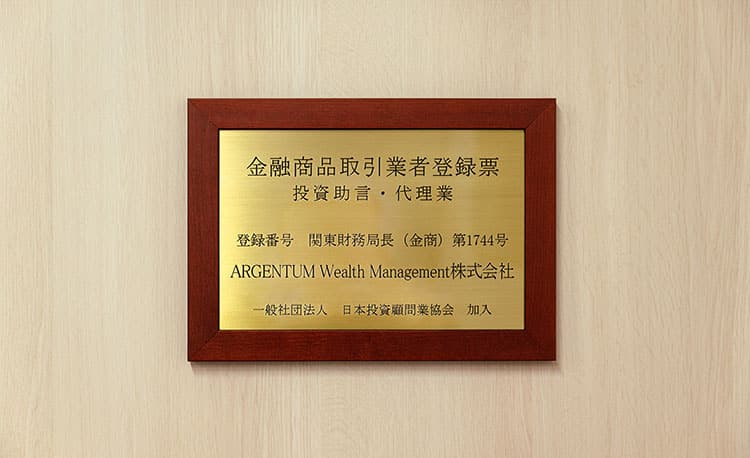
JIAA Membership and Fiduciary-Style Standards
As a member of the Japan Investment Advisers Association (JIAA), Argentum is required to follow detailed rules and a Code of Business Conduct governing how advice is provided, how conflicts are managed, and how clients’ interests are treated.
In practice, the JIAA’s standards encapsulate what would be considered fiduciary-style obligations in many Western countries—placing a strong emphasis on acting in the client’s best interests, maintaining fairness, transparency, and integrity, and managing conflicts appropriately.
JIAA also plays an important role in industry supervision, guidance, and discipline, helping raise standards across Japan’s advisory profession.
In-Depth Local Knowledge and Legal Compliance
Effective financial planning in Japan requires a clear understanding of Japanese tax law, investment regulations, and local market practices. Licensed firms like Argentum are required to maintain this expertise as part of their regulatory obligations.
Firms that are not licensed in Japan are not permitted to provide investment advisory services to clients here. Even when advice is offered informally, it falls outside the regulated framework and may not properly reflect Japan-specific rules or risks.
Accountability and Client Recourse Through FIMAC
Through its registration and membership with the JIAA, Argentum falls under Japan’s official Financial Alternative Dispute Resolution (ADR) framework, including access to the Financial Instruments Mediation Assistance Center (FIMAC).
This provides clients with an independent and impartial dispute resolution process if concerns ever arise—an important protection that simply does not exist when working with unlicensed firms.

Trust, Credibility, and a Proven Track Record
Holding an FSA license, complying with JIAA standards, and being subject to ongoing oversight signal more than compliance; they signal credibility, professionalism, and long-term commitment.
Since its inception, Argentum Wealth Management has served expatriates and international residents in Japan, providing advice under Japan’s regulatory framework, giving clients confidence that their financial planning is handled responsibly and transparently.
Conclusion
When it comes to protecting and growing your wealth in Japan, licensing matters. Argentum Wealth Management has been a licensed investment advisory firm with the Kanto FSA from its beginning, operating under continuous regulatory oversight and the professional standards set by the JIAA, with access to client protections through Japan’s Financial ADR system.
By choosing Argentum, you work with a firm that combines local expertise, regulatory compliance, and a long-term commitment to acting in clients’ best interests.
Argentum Wealth does not provide tax, legal or accounting advice. This material has been prepared for informational purposes only, and is not intended to provide, and should not be relied on for, tax, legal or accounting advice. You should consult your own tax, legal and accounting advisors before engaging in any transaction.
Argentum Wealth Management is licensed through the Japanese Financial Services Authority to give financial advice. The FSA strongly recommends that you only receive financial advice and services from a locally licensed and regulated firm.
Frequently Asked Questions
Do I need a financial advisor in Japan as an expat?
While not mandatory, working with a financial advisor is highly beneficial for expats due to the complexity of cross-border financial planning, including tax, investments, and retirement considerations.
An advisor can help ensure your financial strategy is structured correctly across both Japan and your home country.
Are financial advisors in Japan licensed or regulated?
Yes, financial advisors providing investment advice in Japan must be licensed and regulated by the Financial Services Agency (FSA) or relevant local authorities.
Licensed firms, such as Argentum Wealth, are required to meet strict compliance, operational, and disclosure standards, ensuring they operate within Japan’s legal framework.
What does a financial advisor do for expats in Japan?
A financial advisor helps expats with investment planning, retirement strategies, tax efficiency, and overall wealth management.
They also provide guidance on navigating Japan-specific rules, such as pensions, taxation, and investment regulations, while aligning these with your home country obligations.
How can I verify if a financial advisor in Japan is legitimate?
You can verify an advisor by confirming their registration with the FSA, checking membership with organizations such as the Japan Investment Advisers Association (JIAA), and reviewing their regulatory disclosures.
Licensed advisors operate under ongoing supervision and must meet professional and ethical standards.
What are the risks of using an unlicensed advisor in Japan?
Using an unlicensed advisor carries significant risks, including lack of regulatory oversight, poor or unsuitable advice, and no formal client protection or dispute resolution mechanisms.
Unlicensed firms are not permitted to provide regulated investment advice in Japan, meaning clients may have limited recourse if problems arise.
Why is licensing important for financial advice in Japan?
Licensing ensures that the advisor operates under strict legal standards, ongoing regulatory oversight, and client protection frameworks, helping safeguard your investments and financial future.
What protections do licensed advisors provide?
Licensed advisors are subject to regulatory supervision, ethical standards, and formal dispute resolution systems, which provide clients with transparency, accountability, and recourse if issues arise.
Other Articles
Renting vs. Buying Your Home in Japan: Which is Better?
4 Challenges Americans Have Investing in Japan
What to Consider: Looking for Life Insurance in Japan
Navigating Lifestyle Inflation: A Guide for Professionals in Japan
Investing in Tokyo Real Estate is a Smart Choice: 5 Reasons
Tax Deductions In Japan: Here Is How To Save Money











Email: [email protected]
JP Ph: +81 (03) 5549-9099
US Ph: +1 (929) 488-1488
SD22 Bldg, Unit 802,
1-11-10 Azabudai, Minato-Ku,
Tokyo 106-0041